MONTESSORI LEARNING ON INDIVIDUAL GROWTH
One of the biggest differences between Montessori education and traditional schooling is the individualized approach to learning. Montessori classrooms are designed to support different learning styles, developmental stages, and interests while allowing children to progress at a pace that feels comfortable for them.
Montessori learning environments may help support:
- Independent thinking
- Confidence and self-esteem
- Problem-solving skills
- Creativity and curiosity
- Focus and concentration
- Long-term engagement with learning
Traditional classrooms often follow a fixed schedule where all students complete the same lessons at the same pace. Montessori classrooms instead encourage children to explore activities independently while educators provide guidance and support throughout the learning process.
Children are encouraged to choose from carefully prepared learning materials and participate actively during classroom activities. This structure may help children become more engaged and confident while developing stronger responsibility for their learning experiences.
Montessori educators observe children closely and introduce activities based on individual readiness and development. This personalized approach may help reduce frustration while supporting stronger confidence and academic growth during early childhood.
LEARNING WITH LOTS OF ACTIVE PARTICIPATION
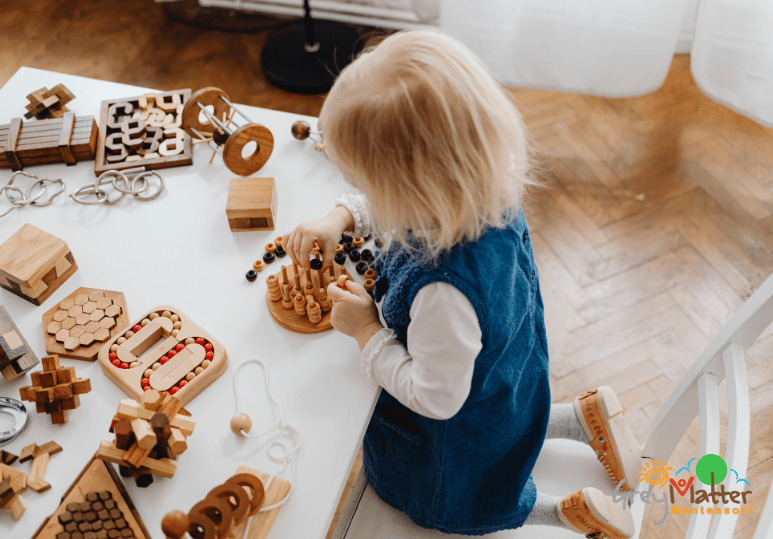
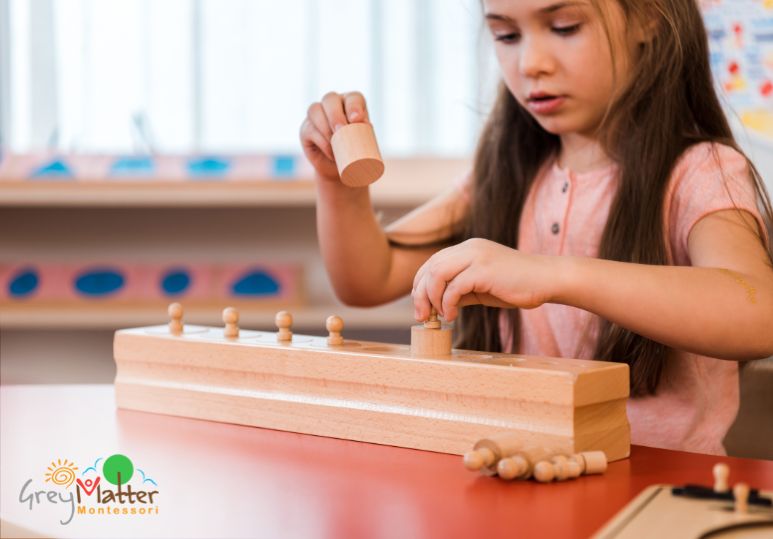
Montessori education places a strong emphasis on hands-on learning and interactive classroom experiences. Rather than relying primarily on lectures or worksheets, Montessori classrooms use tactile materials that allow children to learn through movement, repetition, and exploration.
Hands-on learning activities may include:
- Practical life exercises
- Sorting and matching activities
- Sensory exploration
- Early literacy and numeracy materials
- Independent learning exercises
- Collaborative classroom activities
Interactive learning experiences may help children strengthen memory retention, concentration, and critical thinking skills while remaining actively engaged in the learning process.
Montessori materials are often self-correcting, allowing children to identify and fix mistakes independently. This process may encourage patience, resilience, and problem-solving abilities while helping children feel more confident learning new concepts.
Practical life activities also play an important role in Montessori classrooms. Activities such as organizing materials, cleaning workspaces, and preparing snacks may help children build independence and responsibility alongside academic development.
Many families value Montessori learning environments because they encourage children to participate actively rather than relying entirely on teacher-directed instruction.
THE DIFFERENCE BETWEEN CLASS ENVIRONMENTS
Montessori classrooms are intentionally designed to encourage independence, exploration, and respectful communication. Children are often given opportunities to complete activities independently while developing social, emotional, and academic skills through daily classroom experiences.
Montessori classrooms often support development through:
- Self-directed learning periods
- Calm and organized classroom settings
- Mixed-age classroom interactions
- Structured daily routines
- Collaborative learning opportunities
- Respectful communication practices
Mixed-age classrooms are another feature that often differs from traditional schooling environments. Younger children may learn by observing older classmates, while older students often strengthen leadership and communication skills by helping others during activities.
Montessori education focuses on supporting the whole child rather than concentrating only on academic performance. Emotional confidence, creativity, communication skills, independence, and social development are all considered important parts of early childhood learning.
Children who feel supported and encouraged may become more comfortable trying new activities, asking questions, and solving problems independently. These experiences can help children build stronger confidence and positive lifelong learning habits over time.
Families exploring Montessori programs often appreciate educational environments that encourage hands-on learning, independent thinking, and individualized development during important stages of childhood growth.
FAQs
Q: HOW IS MONTESSORI EDUCATION DIFFERENT FROM TRADITIONAL SCHOOLING?
A: Montessori education focuses on hands-on learning, self-directed activities, and individualized pacing, while traditional schooling often follows a standardized curriculum and schedule for all students. Montessori classrooms encourage children to explore concepts independently while educators provide guidance and support.
Q: WHY DO MONTESSORI CLASSROOMS USE HANDS-ON LEARNING?
A: Hands-on learning encourages children to actively participate in educational activities through movement, exploration, and interactive materials. This learning style may help improve concentration, confidence, problem-solving skills, and overall engagement during early childhood development.
Q: WHAT ARE THE BENEFITS OF SELF-DIRECTED LEARNING?
A: Self-directed learning may help children build independence, responsibility, confidence, and decision-making skills. Allowing children to learn at their own pace can also support stronger engagement and positive long-term learning habits.