PRACTICAL ACTIVITIES SUPPORT DAILY SKILLS
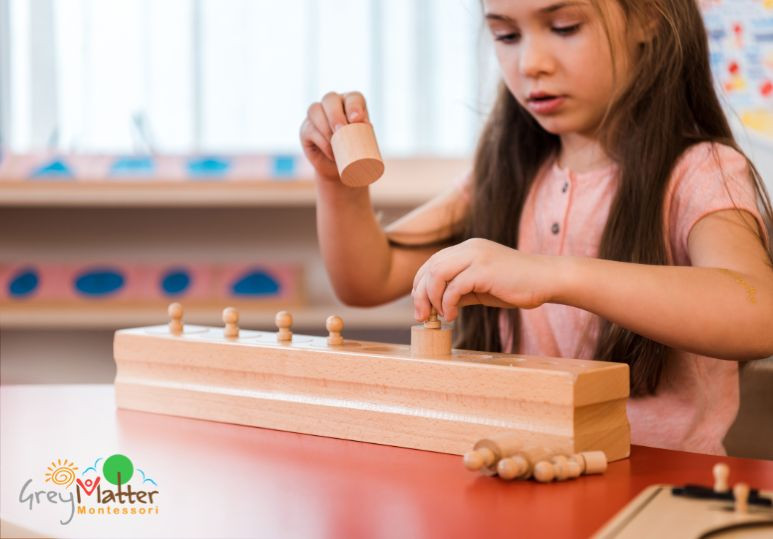
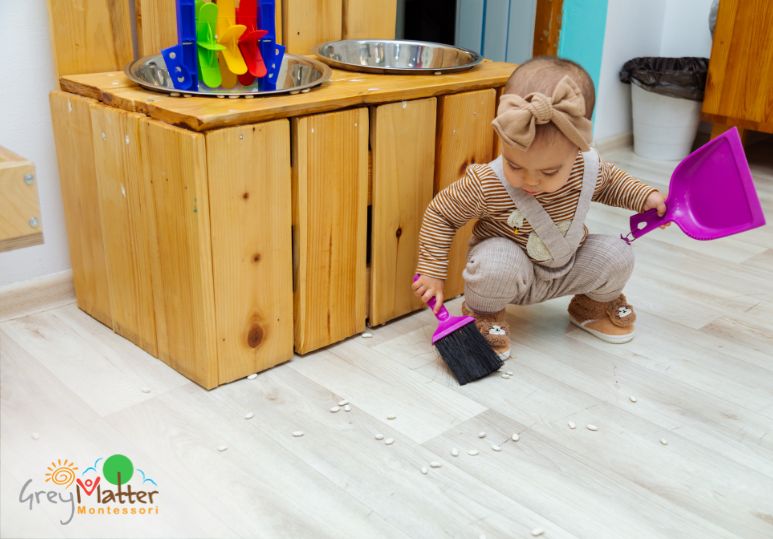
Practical life activities are designed to help children learn how to complete everyday tasks independently while building important developmental skills. Montessori classrooms include structured activities that encourage children to participate actively in caring for themselves and their environment.
Practical life activities may include:
- Pouring and transferring exercises
- Cleaning and organizing
- Hand washing routines
- Preparing snacks
- Folding and sorting materials
- Caring for classroom plants and supplies
These activities may help children strengthen fine motor coordination, concentration, patience, and attention to detail. Repeating practical tasks can also help children become more confident and comfortable managing daily routines independently.
Montessori educators often demonstrate activities step-by-step before allowing children to practice on their own. This learning process may help children feel supported while still encouraging independence and self-motivation.
Hands-on practical experiences may also help children feel more engaged during learning activities because they are actively participating rather than simply observing. Children often gain confidence when they can complete meaningful tasks successfully on their own.
Practical activities are intentionally designed to match a child’s developmental stage while encouraging responsibility and self-sufficiency throughout the learning process.
INDEPENDENCE GROWS THROUGH REPETITION
Repetition plays an important role in Montessori practical life learning. Children are encouraged to repeat activities multiple times so they can strengthen coordination, improve focus, and build confidence through practice.
Repetition may help support:
- Independent decision making
- Problem-solving abilities
- Focus and concentration
- Emotional confidence
- Responsibility and accountability
- Self-discipline and patience
As children repeat practical activities, they often become more comfortable completing tasks without assistance. This process may help children feel more capable while encouraging independence during both classroom and home routines.
Montessori classrooms are intentionally organized so children can access materials independently and return them after activities are complete. These consistent routines may help children develop responsibility and organizational habits from an early age.
Children are also encouraged to work at their own pace without pressure to rush through activities. Allowing children time to repeat tasks independently may help support confidence and long-term engagement with learning.
Practical life learning focuses on progress and participation rather than perfection. Encouraging children to practice skills independently can help create positive learning experiences and stronger self-confidence over time.
PRACTICAL LEARNING SUPPORTS WHOLE-CHILD DEVELOPMENT
Practical life activities support more than physical coordination alone. These experiences may also help children strengthen emotional, social, and cognitive development during important early learning years.
Montessori practical life learning may support:
- Communication skills
- Respectful classroom behaviour
- Emotional regulation
- Collaboration and teamwork
- Adaptability during routines
- Positive social interactions
Many practical activities involve working respectfully within shared classroom environments. Children learn how to take turns, care for materials, follow routines, and interact positively with peers throughout daily activities.
Practical life experiences may also help children feel more confident participating in group settings and classroom responsibilities. Completing meaningful tasks can encourage a sense of accomplishment and belonging during early childhood development.
Montessori classrooms are designed to create calm and supportive learning environments where children can develop independence while still receiving guidance from educators when needed. This balance of support and self-direction may help children feel secure while learning new skills.
Families exploring Montessori Calgary programs often value educational environments that encourage independence, responsibility, and active participation through practical learning experiences. Supporting these skills during the early years may help children build stronger confidence and positive lifelong learning habits.
FAQs
Q: WHAT ARE PRACTICAL LIFE ACTIVITIES IN MONTESSORI EDUCATION?
A: Practical life activities are everyday tasks that help children develop independence, coordination, concentration, and responsibility. These activities may include cleaning, organizing, pouring, preparing snacks, and caring for classroom materials within Montessori learning environments.
Q: WHY ARE PRACTICAL LIFE ACTIVITIES IMPORTANT FOR CHILDREN?
A: Practical life activities may help children strengthen fine motor skills, confidence, problem-solving abilities, patience, and focus. Repeating these tasks independently can also support emotional development and encourage stronger responsibility during early childhood.
Q: HOW DO PRACTICAL LIFE ACTIVITIES SUPPORT INDEPENDENCE?
A: Practical life activities encourage children to complete tasks independently while learning how to manage routines and responsibilities. Children are given opportunities to practice activities repeatedly at their own pace, helping build confidence and self-sufficiency over time.
 (1).jpg "How Montessori Learning Environments Help Children Stay Engaged – Montessori Calgary")