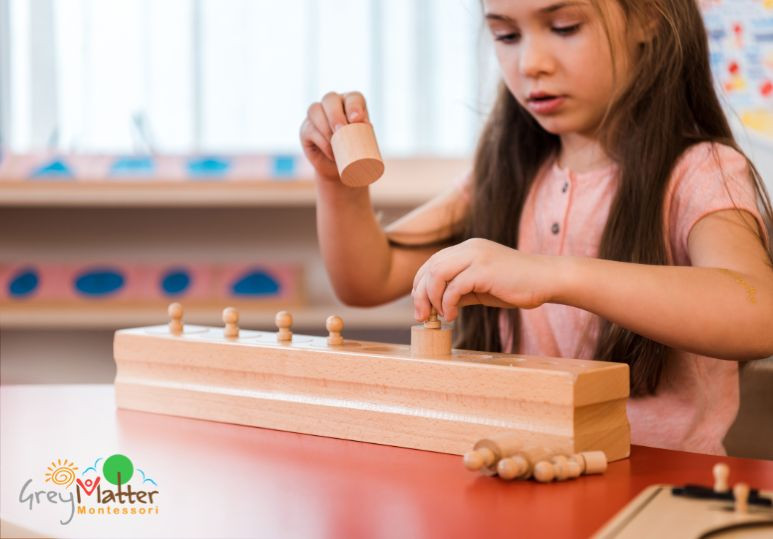
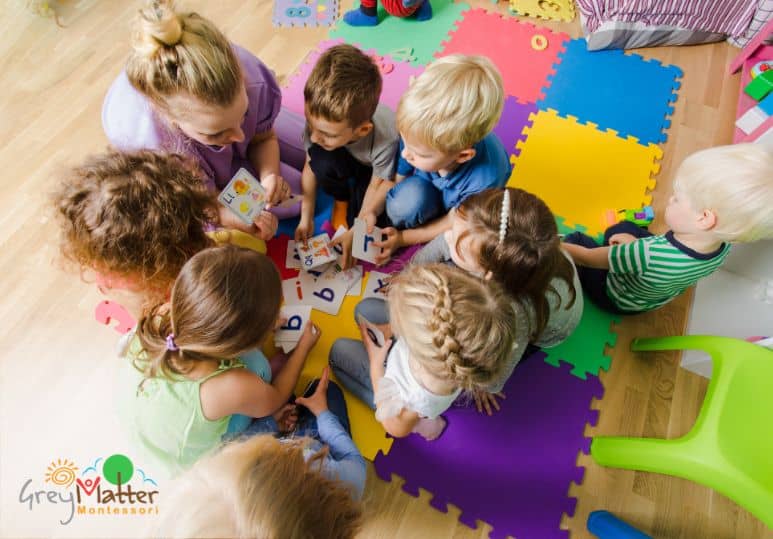
HANDS-ON LEARNING ENCOURAGES PARTICIPATION
Montessori classrooms are designed to encourage children to actively participate in learning through movement, exploration, and hands-on activities. Interactive learning experiences may help children remain more interested and focused while developing important academic and developmental skills.
Hands-on learning may help support:
- Focus and concentration
- Problem-solving abilities
- Fine motor development
- Creativity and curiosity
- Confidence during learning
- Independent thinking skills
Children are encouraged to interact directly with classroom materials rather than relying only on observation or instruction. This active participation may help children better understand concepts while remaining engaged during classroom activities.
Montessori materials are intentionally designed to encourage repetition and exploration. Children often become more interested in learning when they can experiment, solve challenges, and discover solutions independently.
Interactive activities may also help children build confidence while encouraging longer attention spans during learning experiences. Children who feel actively involved in activities may become more motivated to continue exploring new concepts and skills.
Hands-on learning environments may help create positive learning experiences that encourage curiosity and long-term engagement with education.
CLASSROOM DESIGN SUPPORTS FOCUS
Montessori classrooms are intentionally organized to create calm, structured, and accessible learning environments. Classroom design can play an important role in helping children remain focused and comfortable throughout the learning process.
Montessori classroom environments often include:
- Organized learning materials
- Calm and uncluttered spaces
- Child-accessible shelves and tools
- Structured daily routines
- Independent work areas
- Interactive learning stations
Prepared learning environments may help reduce distractions while encouraging children to move independently through classroom activities. Organized spaces can also help children feel more confident selecting materials and completing tasks on their own.
Children are often given uninterrupted work periods that allow them to remain focused on activities without frequent interruptions. These longer learning periods may help children strengthen concentration and become more deeply engaged with tasks.
Montessori classrooms are designed to balance structure with independence. Children are encouraged to choose activities based on their interests while still following classroom expectations and routines.
Consistent learning environments may help children feel secure, comfortable, and motivated throughout daily classroom experiences.
INDEPENDENCE HELPS CHILDREN STAY MOTIVATED
Montessori education encourages children to take an active role in their learning experiences. Allowing children opportunities to make choices and complete activities independently may help increase motivation and engagement over time.
Independent learning may encourage:
- Self-confidence
- Responsibility and accountability
- Decision-making abilities
- Curiosity and exploration
- Persistence during challenges
- Positive learning habits
Children are encouraged to work at their own pace while educators provide support and guidance when needed. This individualized approach may help children feel less pressured while allowing them to remain engaged with learning activities more comfortably.
Practical life activities also play an important role in maintaining engagement. Tasks such as organizing materials, preparing snacks, or caring for classroom spaces encourage children to participate actively while developing responsibility and confidence.
Children who feel involved in their learning experiences may become more motivated to explore new ideas, ask questions, and participate confidently during classroom activities.
Families exploring Montessori programs often value educational environments that encourage active participation, independence, and hands-on learning. Supporting engagement during the early years may help children build stronger focus, confidence, and lifelong learning habits.
FAQs
Q: HOW DO MONTESSORI CLASSROOMS HELP CHILDREN STAY ENGAGED?
A: Montessori classrooms use hands-on materials, organized learning environments, and self-directed activities to encourage active participation during learning experiences. Children are encouraged to explore concepts independently while remaining involved in classroom activities throughout the day.
Q: WHY IS HANDS-ON LEARNING IMPORTANT FOR ENGAGEMENT?
A: Hands-on learning encourages children to interact directly with materials through movement, exploration, and problem solving. Active participation may help improve concentration, confidence, memory retention, and overall engagement during early childhood development.
Q: HOW DOES INDEPENDENT LEARNING SUPPORT MOTIVATION?
A: Independent learning allows children to make choices, solve challenges, and work at their own pace. This approach may help children feel more confident and motivated while encouraging stronger focus and positive learning habits over time.
.jpg "The Role of Practical Life Activities in Montessori Education – Montessori Calgary")