CHILDREN TO LEARN AT THEIR OWN PACE
One of the core principles of Montessori education is allowing children to progress through activities at a pace that matches their individual development and learning style. Rather than expecting every child to complete the same task at the same time, Montessori classrooms provide flexibility that allows children to build confidence while developing important academic and personal skills.
This individualized learning approach may help support:
- Confidence in learning
- Independent decision making
- Concentration and focus
- Problem-solving abilities
- Long-term academic engagement
- Reduced frustration during learning activities
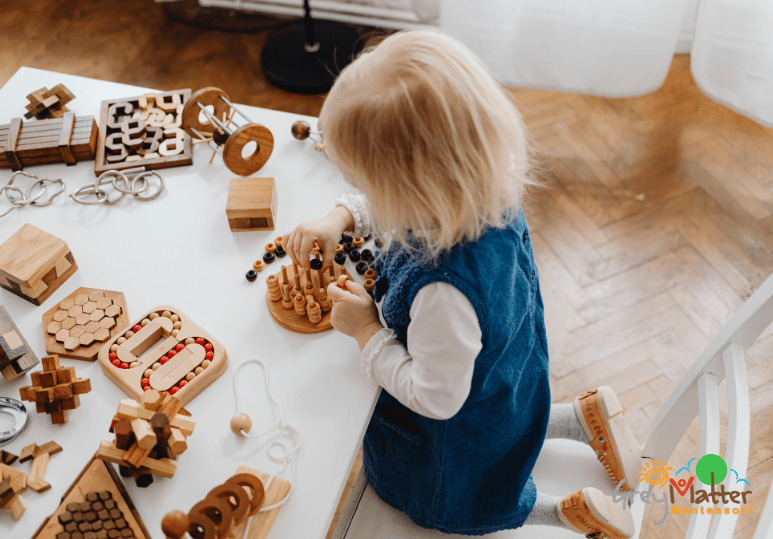
Children are encouraged to select activities that interest them while educators provide guidance and support when needed. This process allows children to become more actively involved in their own learning experiences rather than relying entirely on direct instruction.
Montessori classrooms are carefully organized so children can access learning materials independently. Furniture, shelves, and classroom tools are intentionally arranged to support self-sufficiency and encourage children to complete activities on their own.
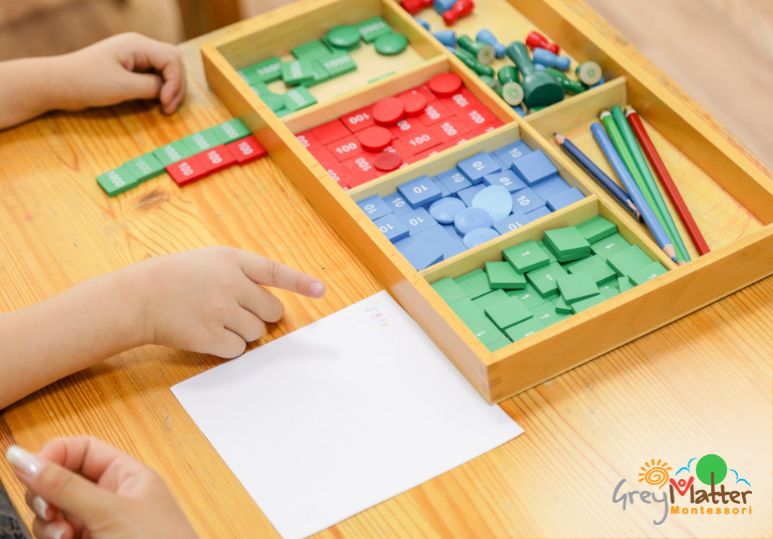
Children often gain confidence through repetition and practice. Montessori learning materials are designed to allow children to identify and correct mistakes independently, helping them develop resilience, patience, and critical thinking skills during the learning process.
Encouraging independence early in childhood may also help children feel more comfortable taking initiative, asking questions, and exploring new concepts over time.
BUILD ON RESPONSIBILITY AND CONFIDENCE
Practical life activities are an important part of Montessori education and play a major role in supporting independent learning. These activities teach children how to care for themselves, interact respectfully with others, and contribute to their classroom environment.
Practical life activities may include:
- Cleaning and organizing
- Pouring and transferring activities
- Preparing snacks
- Washing hands independently
- Caring for classroom materials
- Watering plants and tidying spaces
Although these activities may appear simple, they can help children build important developmental and life skills. Children learn responsibility by completing tasks independently while also developing coordination, concentration, and self-discipline.
Practical life activities also encourage children to take ownership of their environment. Completing everyday tasks independently may help children feel more capable and confident while promoting a sense of accomplishment.
Montessori educators often demonstrate activities first before allowing children to practice them independently. This balance of guidance and freedom helps children build confidence while still receiving support when necessary.
Over time, children may become more comfortable managing routines, making decisions, and completing tasks with greater independence both inside and outside the classroom.
SOCIAL, EMOTIONAL, AND ACADEMIC GROWTH
Independent learning in Montessori classrooms extends beyond academics and also supports social and emotional development. Children are encouraged to solve problems, communicate respectfully, and work collaboratively while still developing personal responsibility and self-confidence.
Montessori environments often support development through:
- Calm and structured classroom routines
- Opportunities for self-directed learning
- Mixed-age classroom interactions
- Collaborative activities and peer learning
- Uninterrupted work periods for concentration
- Respectful communication and problem-solving
Mixed-age classrooms may also provide opportunities for younger children to observe and learn from older students while allowing older children to practice leadership and mentoring skills.
The Montessori approach encourages children to become active participants in their education. Instead of depending entirely on teacher-led instruction, children learn how to explore ideas, complete activities independently, and stay engaged with learning materials over longer periods of time.
Developing independence during early childhood may help children build stronger confidence, adaptability, and motivation as they continue into future educational environments. These early experiences can contribute to positive learning habits that continue throughout life.
Families exploring Montessori programs often value learning environments that support both academic achievement and personal growth. Montessori classrooms are designed to help children build independence, responsibility, and confidence while encouraging curiosity and lifelong learning skills in supportive classroom settings.
FAQs
Q: HOW DOES MONTESSORI EDUCATION PROMOTE INDEPENDENT LEARNING?
A: Montessori education promotes independent learning by encouraging children to choose activities, solve problems, and complete tasks at their own pace within a structured classroom environment. Children are given access to hands-on materials and practical life activities that support self-sufficiency, concentration, and confidence while educators provide guidance as needed.
Q: WHAT ARE PRACTICAL LIFE ACTIVITIES IN MONTESSORI EDUCATION?
A: Practical life activities are everyday tasks that help children develop independence, coordination, and responsibility. These activities may include cleaning, organizing, preparing snacks, pouring water, and caring for classroom materials. Practical life exercises also help children strengthen focus, fine motor skills, and confidence during early childhood development.
Q: WHY IS INDEPENDENT LEARNING IMPORTANT FOR CHILDREN?
A: Independent learning may help children develop confidence, problem-solving abilities, responsibility, and decision-making skills from an early age. Learning how to complete tasks independently can also support emotional development, resilience, and stronger engagement with educational activities over time.