Understanding the Difference: Montessori and Play-Based Approaches
Montessori and play-based learning share an important foundation: children learn best when they are active, engaged participants. The difference lies in how that learning is supported. Montessori classrooms are carefully prepared with sequential materials and routines that guide children toward purposeful exploration. Play-based settings offer broader, open-ended play with fewer structured materials. Both approaches nurture creativity, but Montessori emphasizes independence, concentration, and responsibility—skills that support future academic success.
How Montessori Guides Learning Through Purposeful Work
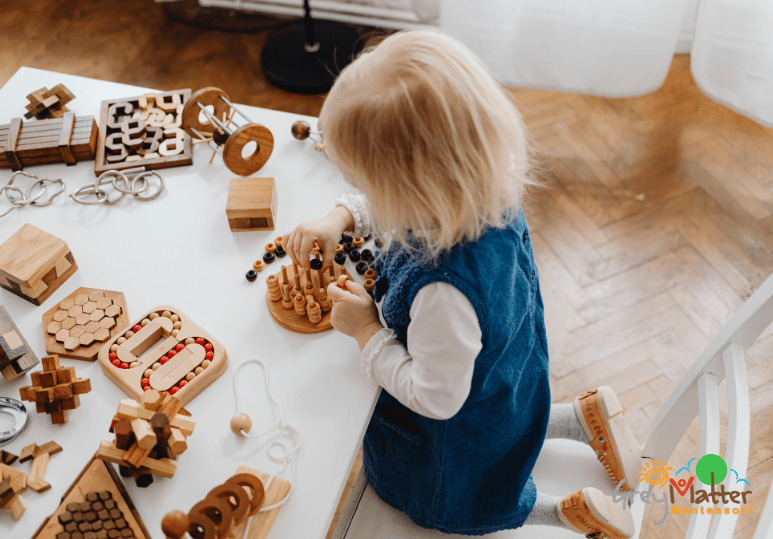
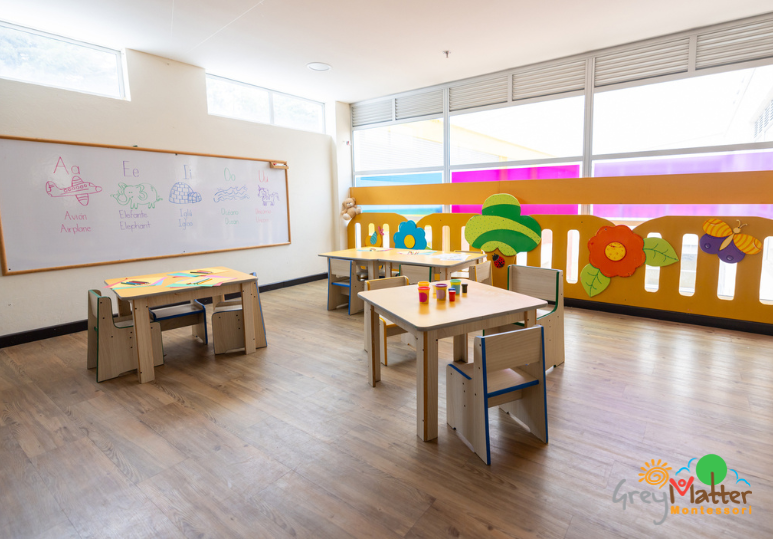
Montessori materials are designed to isolate concepts like size, shape, sound, number, or letter formation. Children choose activities from shelves, work at their own pace, and repeat until mastery. This self-directed practice builds coordination, focus, and confidence. The environment is designed for calm exploration and supports children in developing early literacy and numeracy in a hands-on way.
How Play-Based Learning Supports Development
Play-based classrooms encourage imaginative play, role-play, and social interactions. Children explore freely and learn through open-ended activities like block building, pretend play, or group games. This approach nurtures creativity, cooperation, and communication, and many families appreciate the flexibility it offers.
Where the Approaches Overlap
Montessori is not without play—children still explore, build, and imagine. The difference is that Montessori play often has a clear developmental purpose. A child matching colours is refining visual discrimination; a child pouring water is developing fine motor control. Montessori frames play as meaningful work that prepares children for later academic skills.
Why Montessori Works Especially Well for Ages 3 Months to 6 Years
The preschool years are ideal for building focus and independence. Children want to “do it myself,” and Montessori gives them the tools, routines, and guidance to succeed. Practical life activities—pouring, buttoning, sweeping, preparing food—teach responsibility and self-care. Sensorial lessons refine observation and build problem-solving skills. These abilities support smoother transitions into kindergarten and lifelong learning habits.
Choosing What Fits Your Child
Some children thrive with open-ended play; others flourish with structure and routine. Montessori offers a balanced middle ground: freedom to choose activities within a thoughtfully prepared, respectful environment. Families looking for a calm, intentional approach to early learning often find that Montessori aligns with their child’s temperament and their long-term educational goals.
Helping You Choose the Right Learning Environment
Both Montessori and play-based learning can support healthy development, but Montessori offers a uniquely structured path that nurtures independence, concentration, and early academic skills through hands-on exploration. At Grey Matter Montessori in NW and NE Calgary, we help children ages 3–6 build confidence and curiosity in an environment designed specifically for them. If you’re comparing preschool options, contact Grey Matter Montessori to learn more about how our Montessori program might be the best fit for your child.
Frequently Asked Questions About Montessori Schools
Q: What Is the Main Difference Between Montessori and Play-Based Learning?
A: Montessori uses structured, hands-on materials and a calm environment to build independence and concentration. Play-based programs rely more on open-ended play and imaginative exploration. Contact Grey Matter Montessori today to learn more about our program.
Q: Which Approach Better Prepares Children for Kindergarten?
A: Both can help, but Montessori builds strong early literacy, numeracy, focus, and self-management skills—key foundations for kindergarten success.
Q: Do Montessori Classrooms Still Include Play?
A: Yes. Children explore, build, imagine, and create. The difference is that Montessori activities are carefully designed with a clear developmental purpose.