WHY MONTESSORI
Choosing a preschool is one of the first major educational decisions parents make for their children. While both Montessori and traditional preschool programs provide valuable learning experiences, they differ significantly in their teaching philosophy, classroom environment, and daily routines. Understanding how the Montessori method works can help parents determine whether it aligns with their child's personality, interests, and developmental needs.
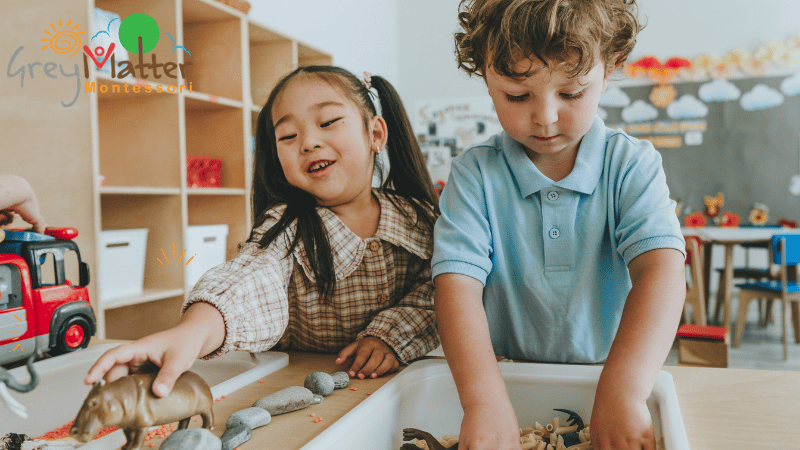
The Montessori approach encourages children to learn through exploration, hands-on activities, and independent discovery. Instead of following a rigid lesson plan where every child completes the same activity at the same time, children are encouraged to choose age-appropriate learning materials that match their interests and developmental stage. Teachers serve as guides who observe each child's progress, provide support when needed, and introduce new lessons at the appropriate time.
Montessori classrooms are intentionally designed to promote independence. Furniture, shelves, and learning materials are child-sized and easily accessible, allowing children to make choices, solve problems, and complete activities with minimal assistance. This encourages confidence, responsibility, and self-motivation from an early age.
Another defining characteristic of Montessori education is the mixed-age classroom. Younger children learn by observing older classmates, while older children reinforce their own knowledge by helping younger peers. This creates a collaborative environment where cooperation often replaces competition.
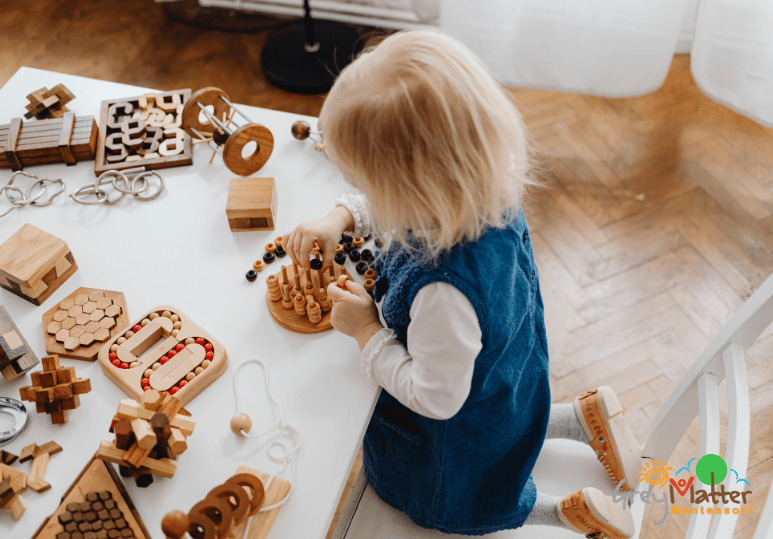
Rather than relying heavily on worksheets or memorization, Montessori students use specially designed learning materials that encourage children to understand concepts through touch, movement, and repetition. These materials help develop practical life skills, language, mathematics, science, and sensory awareness while making learning engaging and enjoyable.
A Montessori classroom typically emphasizes:
- Child-led learning
- Hands-on educational materials
- Independent exploration
- Mixed-age classrooms
- Practical life activities
- Individual learning pace
- Teacher guidance instead of lectures
- Confidence and self-reliance
Daily routines also differ from many traditional classrooms. Montessori students often have longer uninterrupted work periods that allow them to concentrate deeply on activities without frequent interruptions. This extended focus helps strengthen problem-solving abilities, attention span, and critical thinking skills.
The Montessori philosophy also encourages children to participate in everyday practical activities such as pouring water, preparing snacks, organizing materials, cleaning workspaces, and caring for classroom plants. These experiences help build fine motor skills while teaching responsibility and independence that extend beyond the classroom.
Assessment in Montessori programs is generally based on teacher observation rather than frequent testing or grading. Teachers carefully monitor each child's development, identify strengths, and introduce new learning opportunities when children demonstrate readiness. This individualized approach helps reduce unnecessary pressure while allowing children to progress naturally.
Parents who appreciate creativity, independence, curiosity, and personalized learning often find Montessori education to be an excellent fit. The environment encourages children to become active participants in their education while developing lifelong learning habits that extend well beyond the preschool years.
LEARNING APPROACH
Traditional preschool programs have helped prepare children for kindergarten for many years and continue to be an excellent option for many families. These classrooms generally follow a structured daily schedule with teacher-led lessons, group activities, designated playtime, and consistent routines that help children understand expectations.
In a traditional classroom, teachers typically introduce lessons to the entire class simultaneously. Children participate together in activities such as story time, songs, arts and crafts, calendar activities, letter recognition, counting exercises, and group discussions. This structured approach helps children become comfortable following directions, participating in groups, and completing activities within designated timeframes.
One advantage of traditional preschool is its familiarity. Many kindergarten classrooms use a similar structure, allowing children to become accustomed to routines they may encounter throughout elementary school.
Traditional programs also place strong emphasis on social interaction. Group learning encourages children to share materials, cooperate with classmates, communicate effectively, and participate in classroom discussions. These experiences help children develop valuable interpersonal skills that support future academic success.
Common features of traditional preschool include:
- Teacher-directed instruction
- Structured daily schedules
- Group learning activities
- Circle time and story sessions
- Classroom discussions
- Creative arts and crafts
- Outdoor play opportunities
- Kindergarten preparation
While structured learning benefits many children, every child responds differently to classroom environments. Some children thrive with consistent schedules and clearly defined expectations, while others perform better when allowed greater flexibility and independence.
Traditional classrooms often introduce academic concepts using teacher demonstrations, worksheets, games, songs, and classroom activities designed for the entire group. Teachers monitor student progress and adjust instruction based on classroom performance while maintaining consistent learning objectives for all students.
Many traditional preschools also include opportunities for imaginative play, music, movement, dramatic play centers, and social interaction throughout the day. These activities encourage creativity while helping children develop communication, cooperation, and emotional regulation skills.
Parents should also consider their child's personality when comparing preschool options. Children who enjoy structured routines, clear expectations, and frequent teacher interaction may feel comfortable in a traditional preschool setting. Others who naturally enjoy exploring independently may benefit from a Montessori environment.
Neither educational approach is universally better than the other. Both provide meaningful opportunities for learning, growth, and social development. The key is selecting an environment that matches your child's individual learning style and supports their confidence during these important early years.
PRESCHOOL CHOICES
When deciding between Montessori and traditional preschool, it's helpful to look beyond the classroom itself and consider your child's personality, learning preferences, and long-term educational goals. Every child develops differently, and the best preschool is one that supports their unique strengths while encouraging continued growth.
Visiting schools in person is one of the most effective ways to compare programs. Touring classrooms allows parents to observe how teachers interact with children, how students engage with learning materials, and whether the classroom atmosphere feels welcoming and supportive.
During a school visit, pay attention to how children interact with one another. Are they actively participating in learning? Do they appear confident and engaged? Are teachers encouraging curiosity while maintaining a positive learning environment? These observations often provide valuable insight beyond brochures or websites.
Questions to consider when choosing a preschool include:
- Does my child enjoy independent learning?
- Does my child benefit from structured routines?
- How does the school support social development?
- What teaching philosophy best matches our family values?
- How are children's progress and development monitored?
- What opportunities exist for parent communication?
- Is the classroom safe, clean, and organized?
- How does the program prepare children for future learning?
Parents should also consider practical factors such as class size, teacher qualifications, school location, operating hours, tuition, and extracurricular opportunities. While educational philosophy is important, choosing a program that fits your family's daily schedule and long-term needs also contributes to a positive preschool experience.
Communication between parents and teachers plays a significant role in early childhood education. Schools that regularly share updates about classroom activities, developmental milestones, and student progress help parents remain actively involved in their child's learning journey.
It is equally important to remember that children continue growing after enrollment. A preschool that provides flexibility, individualized attention, and opportunities for continued development can help children successfully navigate changing interests and abilities throughout their early years.
Whether you choose a Montessori or traditional preschool, the goal remains the same: helping your child develop confidence, curiosity, independence, communication skills, and a love of learning. Both educational approaches can provide excellent foundations for future academic success when matched with the individual needs of each child.
Ultimately, there is no universal answer to which preschool is better. The right choice depends on your child's personality, your family's educational priorities, and the learning environment where your child feels happiest and most engaged. Taking time to research programs, ask questions, and visit classrooms allows you to make an informed decision with confidence. Selecting the right Montessori preschool or traditional preschool can provide your child with meaningful experiences that encourage lifelong learning, personal growth, and a successful transition into kindergarten.
FAQ's
Q: IS MONTESSORI BETTER THAN A TRADITIONAL PRESCHOOL?
A: There is no one-size-fits-all answer. Montessori emphasizes child-led, hands-on learning and independence, while traditional preschool typically follows a more structured, teacher-led approach. The best choice depends on your child's learning style, personality, and developmental needs.
Q: WHAT IS THE BIGGEST DIFFERENCE BETWEEN MONTESSORI AND TRADITIONAL PRESCHOOL?
A: The primary difference is the teaching philosophy. Montessori classrooms encourage children to learn independently through self-directed activities, while traditional preschools generally use teacher-led instruction, group lessons, and structured daily schedules.
Q: HOW DO I CHOOSE THE RIGHT PRESCHOOL FOR MY CHILD?
A: Consider your child's personality, preferred learning style, and social needs. Visiting schools, observing classrooms, meeting teachers, and asking questions about the curriculum and daily routine can help you determine which preschool environment is the best fit for your family.